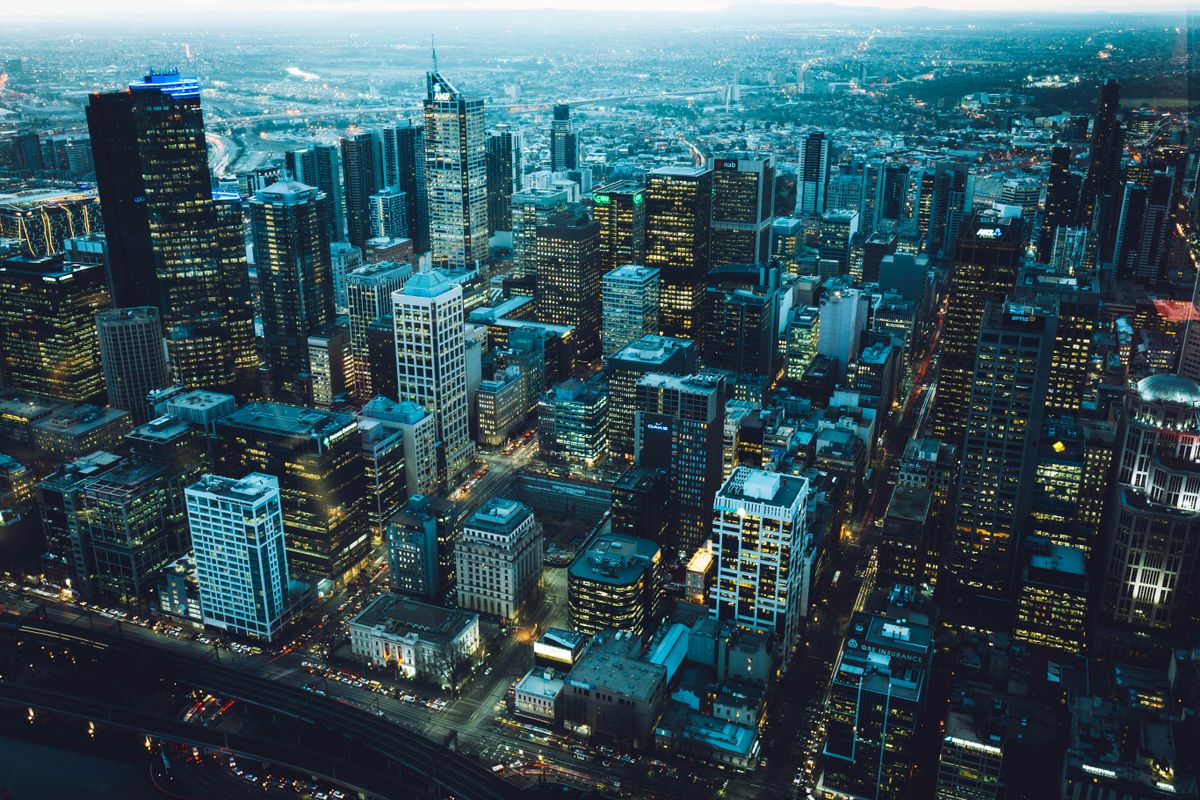
In a watershed moment for Telangana's urban development, Chief Minister A. Revanth Reddy laid the foundation stone for the Future City Development Authority (FCDA) building and the Ratan Tata Greenfield Radial Road on September 28, 2025, marking the official launch of Bharat Future City — India's most ambitious fourth-generation urban hub. This 15,000-acre mega-project, strategically located 50 km south of Hyderabad, is set to transform South Telangana into India's next global investment and innovation destination.
The Vision: Competing with New York in 10 Years
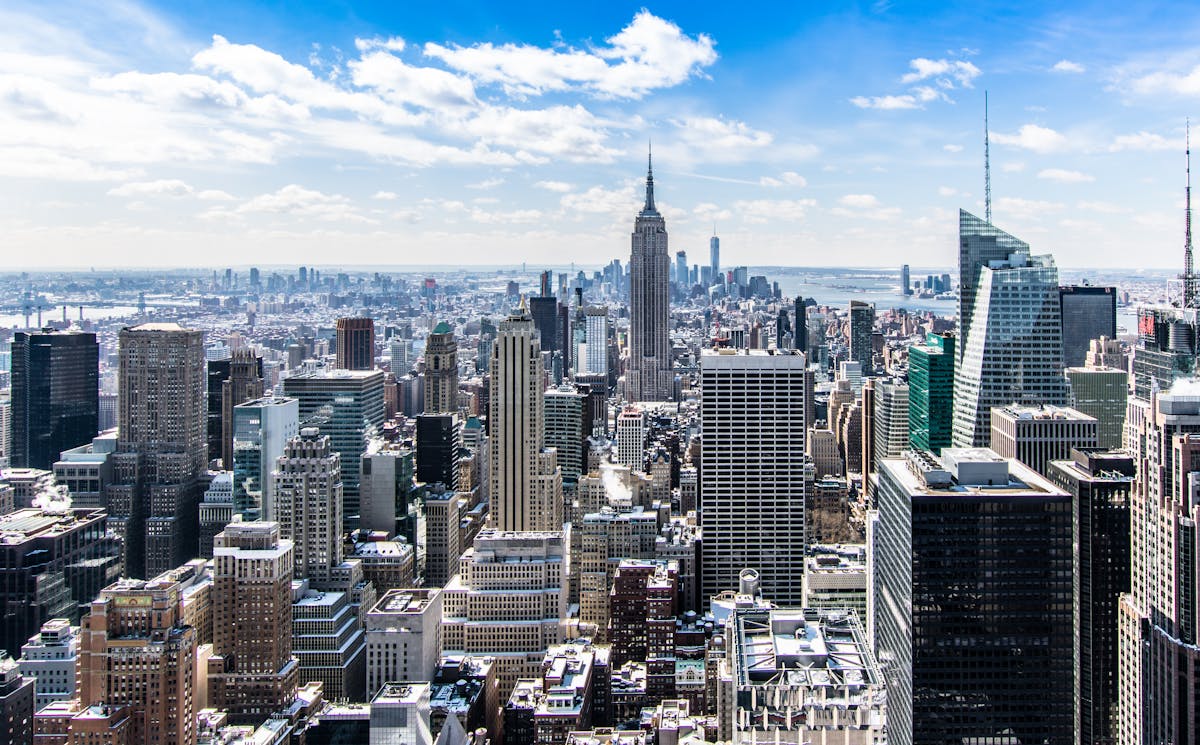
"Future City has all qualifications to meet the standards of global cities," declared CM Revanth Reddy at the foundation ceremony at Mirkhanpet, Kandakur mandal in Rangareddy district. The Telangana government has set an audacious 10-year target for Bharat Future City to become fully functional as a global destination, capable of competing with cities like New York, Singapore, and Dubai.
The project represents the fourth major urban center in the Hyderabad metropolitan region, following the historic Hyderabad (Quli Qutb Shah era), Secunderabad (Nizam era), and Cyberabad (post-2000 IT boom). Unlike its predecessors, however, Bharat Future City is being designed from the ground up with global standards, cutting-edge infrastructure, and sustainability at its core.
Master Plan: 15,000 Acres of Integrated Urban Excellence
Spanning approximately 15,000 acres (some official estimates mention 756 sq km for the broader planning region) across 7 mandals and 56 villages, Bharat Future City is envisioned as an integrated, resilient, and future-focused urban system capable of housing around 900,000 residents at maturity.
Six Core Districts
The Central Business District comprises six specialized zones designed to create a comprehensive urban ecosystem:
1. AI City
•Global artificial intelligence research and development hub
•Advanced computing infrastructure and data centers
•AI training institutes and innovation labs
•Partnerships with international tech giants
2. Health City
•World-class multi-specialty hospitals
•Medical research facilities and biotech parks
•Medical tourism infrastructure
•Pharmaceutical manufacturing and life sciences clusters
3. Entertainment District
•Film production studios and post-production facilities
•Gaming and animation centers
•Museums, theaters, and cultural venues
•Hospitality and convention centers
4. Sports Hub
•International-standard sporting facilities
•Training academies for multiple sports
•Sports medicine and rehabilitation centers
•Event hosting infrastructure for global competitions
5. Education Zone
•Premium universities and research institutions
•Skill development centers and vocational training
•Corporate training facilities
•Student housing and campus amenities
6. Eco-Tourism Hub
•Nature parks and biodiversity conservation areas
•Sustainable tourism infrastructure
•Adventure sports and recreational facilities
•Green corridors and urban forests
The Ratan Tata Greenfield Radial Road: Connecting Vision to Reality
One of the most significant infrastructure announcements at the foundation ceremony was the 100-meter-wide greenfield radial road system that will be named after industrial legend Ratan Tata. The first phase involves a 41.5 km radial road connecting the Outer Ring Road (ORR) at Raviryal — now designated as the 'Tata Interchange' — to Bharat Future City.
Road Specifications and Features
Scale and Design:
•100 meters (330 feet) total width
•Multi-lane configuration with dedicated public transport lanes
•Pedestrian and cycling infrastructure
•Underground utility corridors for power and communications
•Construction timeline: 30 months
Strategic Connectivity:
•Direct link from ORR to Future City, bypassing congested urban areas
•Passes through TGIIC (Telangana Government Industrial Infrastructure Corporation) industrial areas
•Reserved forest land crossings with ecological mitigation measures
•Designed for future expansion and higher traffic volumes
The naming of this critical artery after Ratan Tata — one of India's most respected industrialists and philanthropists — reflects the government's intent to honor visionary leadership while inspiring global business confidence in the project.
Beyond the Tata Road: Comprehensive Connectivity Vision
CM Revanth Reddy outlined an ambitious connectivity framework extending far beyond the immediate radial road:
Greenfield Highway to Machilipatnam Port
•12-lane access-controlled highway
•Direct connection to coastal port infrastructure
•Dry port facility between Machilipatnam and Future City
•Solving Telangana's landlocked logistics challenge
Bullet Train Corridor
•Proposed high-speed rail link between Future City and Amaravati (Andhra Pradesh capital)
•Central government approval secured in principle
•Strategic connectivity to neighboring state's administrative center
•Reducing travel time to under 45 minutes
Regional Rail Connectivity
•Railway connectivity to Machilipatnam port
•Integration with existing Hyderabad Metro network
•Future Metro extensions to Future City planned
Airport Access
•Enhanced connectivity to Rajiv Gandhi International Airport
•Potential for future aviation infrastructure within Future City region
The Revanth Reddy Government's South Hyderabad Focus: A Strategic Shift
The Bharat Future City project represents a deliberate strategic pivot by the Revanth Reddy-led Congress government to develop South Hyderabad, which has historically lagged behind the western IT corridor in infrastructure and investment.
Why South Hyderabad?
1. Land Availability and Scalability
Unlike the congested western corridor (Gachibowli, HITEC City, Financial District), South Hyderabad offers:
•Large contiguous land parcels for planned development
•Lower acquisition costs compared to established areas
•Flexibility for comprehensive master planning
•Room for future expansion without constraints
2. Decongesting Hyderabad
The state capital has reached saturation in several respects:
•Traffic congestion in IT corridors during peak hours
•Infrastructure strain on water, power, and waste management
•Rising real estate costs pricing out mid-income segments
•Air quality concerns in densely populated zones
Future City aims to decongest Hyderabad while creating a complementary growth pole.
3. Proximity to Airport and Pharma City
South Hyderabad's strategic assets include:
•Rajiv Gandhi International Airport (Shamshabad)
•Pharma City — one of India's largest pharmaceutical manufacturing clusters
•Outer Ring Road connectivity
•Proximity to emerging southern growth corridors
4. Balanced Regional Development
While West Hyderabad (IT corridor) has seen explosive growth, South and East have remained relatively underdeveloped. Future City addresses this imbalance by:
•Creating employment hubs in underserved regions
•Distributing infrastructure investments equitably
•Providing housing and livelihood opportunities across the metropolitan region
•Preventing the formation of uni-directional growth patterns
Government Commitment: Beyond Rhetoric
CM Revanth Reddy's commitment to South Hyderabad is evident in multiple tangible actions:
Physical Presence
•Government to function from Future City at least thrice a month
•FCDA building to host meetings with global investors
•CM's personal involvement in resolving issues and monitoring progress
Institutional Infrastructure
•FCDA (Future City Development Authority) established with dedicated bureaucracy
•Skill University to be completed by December 2025
•SCCL (Singareni Collieries Company Limited) corporate office (10 acres) to be established
Transparent Governance
•Addressing public concerns about land acquisition
•Commitment to resolving minor issues liberally
•CM's assurance of personal intervention to ensure justice
Investment in Utilities
•Underground power cables throughout the city
•Advanced water supply and sewage infrastructure
•Smart city technologies for traffic, waste, and civic management
Attracting Fortune 500 Companies: The Economic Gameplan
"The objective of the Government in developing the new city is to ensure that the offices of Fortune 500 companies are located in Future City," stated CM Revanth Reddy. This isn't mere aspiration — the government has a structured strategy:
Competitive Advantages for Corporates
1. Plug-and-Play Infrastructure
•Pre-built industrial parks and IT SEZs
•Ready connectivity to ports, airports, and highways
•Uninterrupted power, water, and digital infrastructure
•Single-window clearance through FCDA
2. Cost Competitiveness
•25-30% lower real estate costs than established IT hubs
•Competitive utility rates
•Tax incentives and policy support
•Lower operational overhead
3. Talent Ecosystem
•Skill University producing job-ready graduates
•Proximity to Hyderabad's 800,000+ IT workforce
•Quality of life attracting and retaining talent
•Educational infrastructure for employee families
4. Sustainability Credentials
•India's first Net-Zero Greenfield Smart City ambition
•100% renewable energy infrastructure
•Electric public transport system
•Green building norms and waste management
Sector Focus
The government is targeting specific high-value sectors:
Technology & AI
•Data centers and cloud infrastructure
•AI research labs and product development
•Software services and GCCs
Healthcare & Life Sciences
•Pharmaceutical manufacturing (leveraging nearby Pharma City)
•Biotech research and medical device manufacturing
•Medical tourism facilities
Manufacturing & Electronics
•Electronics manufacturing clusters
•Automotive components
•Advanced manufacturing with Industry 4.0 integration
Education & Skill Development
•Corporate training centers
•Global university campuses
•Vocational training institutions
Timeline and Phased Development
Phase 1: Foundation and Core Infrastructure (2025-2027)
Completed/Underway:
•FCDA building (target completion: December 2025)
•Ratan Tata Greenfield Radial Road (30-month timeline)
•Skill University (December 2025 target)
•Underground utilities — power, water, communications
Upcoming:
•Land acquisition and clearances completion
•Master planning and zoning finalization
•Initial industrial park and IT SEZ development
•SCCL corporate office (completion by end-2026)
Phase 2: Sectoral Development (2027-2030)
•AI City and data center parks operational
•Health City hospitals and research facilities commissioned
•Entertainment District studios and production facilities
•Initial residential complexes for early workforce
•Educational institutions opening admissions
Phase 3: Full Operationalization (2030-2035)
•All six districts fully functional
•Population reaching 300,000-400,000
•Major Fortune 500 companies operational
•Public transport networks fully integrated
•Residential capacity reaching 50% of target
Phase 4: Maturity and Global Recognition (2035-2045)
•Population approaching 900,000
•Recognition as a global innovation and business hub
•Complete integration with broader Hyderabad metropolitan region
•Achieving Net-Zero sustainability targets
Addressing Concerns: Land Acquisition and Public Apprehensions
CM Revanth Reddy directly addressed conspiracy theories and public concerns during the foundation ceremony:
"People are alleging that I am developing Future City because I have lands here. The upcoming Future City is not for myself or my family, but for the well-being of generations to come."
Government's Approach to Land Issues
Transparency
•Clear land acquisition processes with fair compensation
•Public disclosure of land use plans
•Regular consultations with affected communities
Fair Compensation
•Market rates for acquired land
•Rehabilitation packages for displaced families
•Employment opportunities in construction and services
Dispute Resolution
•CM's personal commitment to resolving legitimate grievances
•Advisory against approaching courts for minor issues
•Fast-track resolution mechanisms through FCDA
Protection from Speculation
•Measures to prevent land speculation and black money
•Restrictions on benami transactions
•Monitoring of land deals around Future City periphery
Telangana Rising 2047: Future City as the Centerpiece
Bharat Future City is the flagship project within the broader "Telangana Rising 2047" vision document, which aims to transform Telangana into a $3 trillion economy by 2047 (India's centenary of independence).
Economic Targets Linked to Future City
By 2034:
•$1 trillion state GDP
•Future City contributing 15-20% of state's economic output
By 2047:
•$3 trillion state GDP
•Future City as one of Asia's top 10 business destinations
•500,000+ direct employment in Future City
•1.5 million indirect jobs in satellite townships and services
Investment Climate Preparation
IT and Industries Minister D. Sridhar Babu emphasized: "Future City will play a crucial role in the state's journey towards the $3 trillion economy by 2047."
The government is creating an enabling ecosystem:
•TS-iPASS single-window clearance available at FCDA
•Dedicated investment promotion cell
•Fast-track approvals for strategic projects
•Investor grievance redressal mechanisms
Real Estate and Property Market Impact
The Future City announcement has already triggered significant interest in South Hyderabad real estate:
Immediate Impact Zones
Tukkuguda
•Proximity to airport and Future City
•15-20% appreciation in land values since announcement
•Plotted development activity surging
Maheshwaram
•Strategic location between ORR and Future City
•Gated community projects gaining momentum
•10-15% year-on-year price growth
Kandukur Mandal
•Epicenter of Future City development
•Land values doubling in some pockets
•Speculative activity requiring regulatory oversight
Shamshabad and Environs
•Airport corridor benefiting from Future City connectivity
•Hospitality and logistics real estate growing
•Residential demand from early workforce
Long-Term Real Estate Outlook
For Investors:
•Early-stage entry in emerging corridors
•5-10 year horizon for optimal returns
•Risk mitigation through focus on infrastructure-linked areas
For Homebuyers:
•Affordable housing compared to established corridors
•Future connectivity and amenities
•Potential for long-term appreciation
For Developers:
•Large land parcels available for integrated townships
•Government support for planned developments
•Growing demand as corporate announcements materialize
Comparative Context: Learning from Successful Smart Cities
Singapore Model Elements
Urban Planning
•Mixed-use development preventing dormitory cities
•Public transport as backbone of mobility
•Green spaces and environmental sustainability
Economic Zones
•Specialized clusters (Jurong for manufacturing, One-North for biotech)
•Government-driven infrastructure preceding private investment
•Long-term vision executed consistently across political cycles
Dubai Model Elements
Global Connectivity
•World-class airport and port infrastructure
•Free zones with attractive policies for global businesses
•Positioning as regional hub for multiple industries
Iconic Infrastructure
•Landmark developments creating global visibility
•Quality over quantity in early phases
•Building aspirational brand value
Challenges to Avoid
From Other Indian Smart Cities
•Implementation delays due to bureaucratic red tape
•Coordination failures between state and central agencies
•Inadequate focus on basic infrastructure before advanced systems
•Disconnect between planning and execution
Telangana's Approach:
•Single-point accountability through FCDA
•CM's personal monitoring ensuring priority attention
•Phased approach with infrastructure preceding population
•Realistic timelines allowing for contingencies
Environmental and Sustainability Considerations
Bharat Future City aims to set new benchmarks for sustainable urban development:
Net-Zero Carbon Ambition
Renewable Energy
•100% renewable energy sourcing (solar and wind)
•Rooftop solar on all buildings
•Grid-scale battery storage
•Potential for green hydrogen pilots
Electric Mobility
•100% electric public transport
•EV charging infrastructure ubiquitous
•Incentives for private EV adoption
•Integrated mobility-as-a-service platforms
Green Buildings
•LEED/GRIHA certifications mandatory
•Passive cooling and natural ventilation design
•Water recycling and rainwater harvesting
•Energy-efficient building materials
Ecological Protection
Forest Land Management
•Compensatory afforestation at 3:1 ratio
•Biodiversity corridors maintained
•Wildlife crossings on highways
•Regular environmental audits
Water Security
•Advanced sewage treatment and reuse
•Decentralized water management
•Lake rejuvenation in surrounding areas
•Minimizing groundwater extraction
Waste Management
•Zero-landfill waste policy
•Waste-to-energy plants
•Comprehensive recycling systems
•Organic waste composting
What This Means for Hyderabad's Future
Redefining Metropolitan Growth
Bharat Future City represents a paradigm shift in how Indian cities manage growth:
From Congestion to Planned Expansion
•Proactive creation of new urban centers
•Infrastructure preceding demand
•Preventing the chaos that plagued older cities
From Uni-Directional to Balanced Growth
•Multiple growth poles across the metropolitan region
•Equitable distribution of opportunities
•Reducing pressure on established corridors
From Real Estate-Driven to Vision-Driven Development
•Government-led master planning
•Public interest taking precedence over speculative gains
•Long-term sustainability over short-term profits
Impact on Existing Hyderabad
Decongestion Benefits
•Reduced pressure on western IT corridor
•Improved traffic flow and air quality
•Better quality of life in established neighborhoods
Economic Complementarity
•Future City creating new opportunities without cannibalizing existing business
•Established areas remaining centers of finance, retail, and heritage
•Network effects strengthening overall metropolitan competitiveness
Infrastructure Improvements
•Regional connectivity upgrades benefiting entire region
•Shared facilities (airport, healthcare) becoming more accessible
•Rising tide lifting all boats in property values
Political and Governance Dimensions
Revanth Reddy's Signature Project
For CM Revanth Reddy, Bharat Future City represents a defining legacy project:
Political Capital
•Demonstrating Congress government's development credentials
•Countering BRS's (Bharat Rashtra Samithi) claims of exclusive development focus
•Positioning as forward-thinking, globally-oriented leader
Governance Philosophy
•Hands-on leadership with personal involvement
•Transparency in addressing public concerns
•Collaborative approach with central government and private sector
Electoral Implications
•Creating constituencies (beneficiaries) invested in project success
•Showcasing execution capacity ahead of future elections
•Building narrative of transformational governance
Inter-State Coordination
The project requires seamless coordination with Andhra Pradesh:
Shared Infrastructure
•Bullet train corridor between Future City and Amaravati
•Highway and port connectivity to Machilipatnam
•Potential for joint industrial zones along the border
Competitive Dynamics
•Both states competing for investments
•Risk of zero-sum competition or collaborative synergy
•Need for political maturity to maximize mutual benefits
Challenges and Risks
Execution Challenges
Infrastructure Delivery
•Meeting aggressive timelines for roads, power, water
•Coordination between multiple agencies
•Managing cost overruns and delays
Private Sector Participation
•Attracting anchor investors in early phases
•Balancing public infrastructure with private development
•Ensuring quality and completion of private projects
Market Risks
Economic Cycles
•Global recession impacting investment flows
•Technology sector volatility affecting IT investments
•Real estate cycles influencing property development
Competition
•Other Indian cities developing similar smart city projects
•Competition from established hubs like Bengaluru
•Global competition from Southeast Asian cities
Environmental and Social Risks
Ecological Impact
•Construction and population growth affecting local ecosystems
•Water stress in a water-scarce region
•Balancing development with sustainability commitments
Social Displacement
•Ensuring fair treatment of displaced communities
•Preventing social fragmentation between old and new residents
•Maintaining cultural continuity amidst rapid change
Opportunities for Stakeholders
For Businesses
Early Movers
•Land acquisition at pre-appreciation rates
•First-mover advantage in establishing market presence
•Partnership opportunities with government for infrastructure
SMEs and Startups
•Supplier ecosystem opportunities for infrastructure and services
•Incubation support and skill development partnerships
•Access to large corporate anchor tenants
For Real Estate Investors
Direct Land Investment
•Plots in FCDA-approved layouts
•Participation in land pooling schemes
•Strategic land banking in periphery areas
Built Real Estate
•Residential apartments for early workforce
•Commercial office space for businesses
•Hospitality and retail infrastructure
For Professionals and Job Seekers
Employment Opportunities
•Construction and infrastructure phase (2025-2030): 200,000+ jobs
•Operational phase (2030+): 500,000+ direct jobs
•Service ecosystem: 1.5 million indirect jobs
Skill Development
•Training programs through Skill University
•Corporate training centers
•Upskilling opportunities in emerging technologies
For Homebuyers
Affordable Entry Points
•Lower prices compared to established Hyderabad corridors
•Modern amenities and planned neighborhoods
•Future appreciation potential
Quality of Life
•Green, sustainable, and well-planned communities
•Less congestion and pollution
•Modern infrastructure and connectivity
Expert Perspectives
Urban Planners
"Bharat Future City represents a rare opportunity to apply lessons learned from decades of unplanned Indian urbanization. If executed well, it can become a global case study in sustainable, inclusive urban development."
Real Estate Analysts
"The south Hyderabad corridor was undervalued for years. Future City is the catalyst that will unlock this region's potential, similar to what happened in West Hyderabad post-2000."
Economists
"The $3 trillion Telangana economy vision hinges significantly on Future City's success. If even 50% of the projected investments materialize, it will transform the state's economic trajectory."
Environmental Experts
"The Net-Zero ambition is ambitious but achievable if taken seriously from day one. The key is not compromising sustainability for speed during execution."
Conclusion: A Defining Moment for Telangana and India
The foundation laying ceremony on September 28, 2025, was more than a symbolic gesture — it marked the beginning of India's most ambitious urban development project of the decade. Bharat Future City embodies the aspirations of a confident, forward-looking Telangana that aims to compete on the global stage.
For CM Revanth Reddy and his government, it's a bold bet that South Hyderabad can become what West Hyderabad has been for the IT industry — a magnet for investment, talent, and innovation. The Ratan Tata Greenfield Radial Road symbolizes this ambition, connecting not just geographic locations but generations of economic opportunity.
For Hyderabad and Telangana, Future City represents a chance to demonstrate that Indian cities can learn from past mistakes and build world-class urban centers from scratch. It's an opportunity to prove that with vision, planning, and execution, India can create cities that are not just large, but livable; not just economically vibrant, but environmentally sustainable.
The next 10 years will determine whether Bharat Future City becomes the New York that CM Revanth Reddy envisions, or merely another ambitious project that fell short of its potential. The foundation has been laid — literally and metaphorically. The hard work of building a global city begins now.
For investors, businesses, and homebuyers, the message is clear: South Hyderabad is no longer the city's forgotten frontier. It's the future, and that future is being built today.