Iran War Could Reshape Construction Costs in Hyderabad
As geopolitical tensions intensify around the Strait of Hormuz—the world's most critical oil transit chokepoint—Hyderabad's construction industry faces a uniquely vulnerable position. While headlines focus on immediate crude oil price spikes, the real story for real estate lies beneath the surface: a dual-layered inflationary cycle that could fundamentally reshape construction economics over the next 3-5 years.
This isn't about temporary price volatility. It's about structural shifts in how we build, what we can afford, and what becomes the new baseline for construction costs in India's fastest-growing real estate markets.
Understanding the Dual Forces
Hyderabad's construction economy is exposed to geopolitical oil disruptions through two distinct but interconnected mechanisms:
Force 1: Direct Petrochemical Dependency
Many critical construction materials are directly derived from crude oil and petrochemicals. When oil prices spike due to supply disruptions, these materials experience immediate, severe price increases because the raw material itself becomes more expensive.
Primary Impact Materials:
- PVC and uPVC (pipes, window frames, electrical conduits)
- Plastics and polymers (insulation, waterproofing membranes)
- Paints and coatings (resin-based formulations)
- Bitumen (waterproofing, road construction)
- Electrical and data cable sheathing
These aren't substitutable in the short term.
The Dual Inflationary Forces
Petrochemical Dependency
30-50%
Immediate price spike for materials derived from crude oil (PVC, paints, bitumen, plastics). Prices move directly with oil.
Energy-Intensive Production
20-30%
Sustained price increases for materials requiring high energy (cement, steel, glass). Costs remain elevated even after oil stabilizes.
Force 2: Energy-Intensive Production
The second wave hits materials that aren't oil-based but require massive energy inputs for manufacturing. These materials experience sustained pricing pressure as energy costs—driven by oil and gas prices—remain elevated even after crude prices stabilize.
Energy-Intensive Materials:
- Cement (requires 800-900°C kiln temperatures)
- Steel (blast furnaces operating at 1,500°C)
- Glass (furnaces at 1,400-1,600°C)
- Ceramics and tiles (kiln firing at 1,000-1,200°C)
- Aluminum (electricity-intensive smelting process)
A 50% increase in energy costs translates to 20-30% increases in production costs for these materials. Unlike petrochemical materials, these price increases are stickier—they don't immediately reverse when oil prices normalize because manufacturers lock in energy contracts and adjust pricing structures for the long term.
Material-by-Material Sensitivity Analysis
Not all construction materials are equally vulnerable. Understanding the sensitivity hierarchy helps developers, buyers, and investors anticipate where inflation will hit hardest.
Material Sensitivity to Oil Price Shocks
EXTREME
Bitumen - Direct petroleum derivative, moves 1:1 with crude prices
VERY HIGH
PVC/uPVC, Plastics, Insulation - Petrochemical-based materials
HIGH
Paints, Waterproofing, Cement, Glass - Mix of petrochemical + energy impact
MEDIUM-HIGH
Steel, Aluminum, Cables - Energy-intensive manufacturing
MEDIUM
Bricks, Ceramics - Energy for firing/kilns
LOW
Wood, Plywood - Primarily logistics impact
EXTREME Sensitivity (Primary Material Impact: 85-95%)
Bitumen
- Primary Material Impact: 85-95%
- Energy/Fuel Impact: 5-10%
- Crude Oil Driver: Direct petroleum derivative
- Use Cases: Waterproofing membranes, damp-proofing, road construction
- Price Volatility: Moves almost 1:1 with crude oil prices
VERY HIGH Sensitivity (Primary Material Impact: 50-80%)
PVC/uPVC
- Primary Material Impact: 60-75%
- Energy/Fuel Impact: 10-15%
- Driver: Petrochemical (ethylene from naphtha cracking)
- Use Cases: Plumbing pipes, window frames, door frames, electrical conduits
- Price Impact: 35-50% increase expected if crude stays above $110/barrel
Plastics (Polypropylene, Polyethylene)
- Primary Material Impact: 50-70%
- Energy/Fuel Impact: 10-20%
- Driver: Petrochemical polymers
- Use Cases: Water tanks, fittings, electrical components, packaging
Insulation Materials
- Primary Material Impact: 60-80%
- Energy/Fuel Impact: 10-15%
- Driver: Polystyrene, polyurethane foam (petrochemical-based)
- Use Cases: Thermal insulation, acoustic insulation, HVAC ductwork
HIGH Sensitivity (Primary Material Impact: 40-65% OR Energy Impact: 30-45%)
Paints & Coatings
- Primary Material Impact: 40-60%
- Energy/Fuel Impact: 10-15%
- Driver: Resins and solvents (petrochemical derivatives)
- Use Cases: Interior/exterior paints, protective coatings, primers
- Price Impact: 25-35% increase in premium paint categories
Waterproofing Compounds
- Primary Material Impact: 40-65%
- Energy/Fuel Impact: 10-15%
- Driver: Bitumen + polymer blends
- Use Cases: Terrace waterproofing, bathroom waterproofing, basement treatments
Cement
- Primary Material Impact: ~0% (limestone-based)
- Energy/Fuel Impact: 30-40%
- Driver: Coal/petcoke for kiln operations (1,450°C)
- Use Cases: Concrete, mortar, structural construction
- Price Impact: 15-25% sustained increase if energy costs remain elevated
Glass
- Primary Material Impact: ~0% (silica-based)
- Energy/Fuel Impact: 30-45%
- Driver: Natural gas for furnace operations (1,500°C+)
- Use Cases: Windows, facades, partitions, balustrades
- Price Impact: 20-30% increase, especially for processed glass (toughened, laminated)
Ceramics & Tiles
- Primary Material Impact: ~0% (clay-based)
- Energy/Fuel Impact: 25-40%
- Driver: Natural gas/LPG for kiln firing
- Use Cases: Flooring, wall cladding, countertops
Aluminum
- Primary Material Impact: ~0% (bauxite-based)
- Energy/Fuel Impact: 35-50%
- Driver: Electricity for smelting (extremely energy-intensive)
- Use Cases: Window frames, cladding, structural elements, false ceilings
MEDIUM-HIGH Sensitivity (Energy Impact: 20-35%)
Steel
- Primary Material Impact: ~0% (iron ore-based)
- Energy/Fuel Impact: 20-30%
- Driver: Coal for blast furnaces + energy for rolling/processing + logistics
- Use Cases: Structural steel, reinforcement bars (TMT), roofing sheets
- Price Impact: 12-20% increase, partially offset by recycled steel availability
Electrical Cables
- Primary Material Impact: 20-35% (PVC sheathing)
- Energy/Fuel Impact: 10-20% (copper/aluminum processing + PVC production)
- Driver: Mixed (petrochemical + metal + energy)
- Use Cases: Power distribution, lighting circuits, appliance connections
Data Cables (Fiber/CAT6)
- Primary Material Impact: 25-40% (plastic sheathing)
- Energy/Fuel Impact: 10-20%
- Driver: Polymer sheathing + glass fiber (for optical) or copper (for CAT6)
MEDIUM Sensitivity (Energy Impact: 15-25%)
Bricks
- Primary Material Impact: ~0% (clay-based)
- Energy/Fuel Impact: 15-25%
- Driver: Coal/biomass for kiln firing
- Use Cases: Masonry walls, partitions, facades
- Price Impact: 10-15% increase
LOW-MEDIUM Sensitivity (Fuel Impact: 5-15%)
Wood & Plywood
- Primary Material Impact: ~0% (timber/veneer)
- Energy/Fuel Impact: 5-15%
- Driver: Transportation and processing energy
- Use Cases: Doors, furniture, formwork, false ceilings
- Price Impact: 5-10% increase (primarily logistics-driven)
Residential Real Estate: What Changes
For residential construction in Hyderabad, these inflationary forces translate into specific, measurable impacts:
Rising Baseline Costs
A typical 1,200 sq ft apartment in Hyderabad uses approximately:
- 200-250 kg of PVC/uPVC (pipes, window frames)
- 25-30 liters of paint
- 50-60 sq meters of ceramic tiles
- 15-20 sq meters of glass
- 150-200 meters of electrical cable
- 8-10 tons of cement
- 1.2-1.5 tons of steel
With the material sensitivity analysis above, baseline construction costs (materials alone) could increase by 18-25% over 3-5 years if geopolitical tensions sustain elevated oil prices.
Construction Cost Impact (1,200 sq ft Apartment)
Material Costs Today
₹18-22 lakh
Current baseline for materials (cement, steel, PVC, paints, tiles, glass, cables)
Post-Inflation (3-5 Years)
₹21-28 lakh
18-25% increase due to sustained oil price elevation and energy cost impact
Impact on Buyers
₹3-6 lakh
Additional cost passed to buyers through higher property prices or compromised quality
Developer Response Strategies
1. Standardization and Simplification
- Fewer floor plan variations to optimize material usage
- Standardized window and door sizes to reduce wastage
- Simplified facade designs reducing premium material usage
2. Material Substitution Where Possible
- CPVC replacing PVC in some applications (though also petrochemical-based)
- Alternative insulation materials (rock wool, glass wool) where feasible
- Increased use of fly ash in cement to reduce clinker content
3. Smaller Units, Higher Density
- Shift toward more 2 BHK units (1,000-1,200 sq ft) vs. 3 BHK (1,400-1,600 sq ft)
- Higher floor count to spread land costs over more units
- Optimized common area ratios
Buyer Impact: Affordability Squeeze
For the mid-income segment (household income ₹8-15 lakh annually), which forms the backbone of Hyderabad's residential market, these cost increases create a genuine affordability crisis:
Scenario Analysis:
- Current (March 2026): 2 BHK at ₹65 lakh = Affordable with 20% down (₹13 lakh) + ₹52 lakh loan
- Post-Inflation (2028-29): Same unit at ₹80 lakh = Down payment increases to ₹16 lakh + ₹64 lakh loan
The ₹15 lakh increase translates to:
- ₹3 lakh higher down payment (23% increase)
- ₹12,000 higher EMI (assuming 8.5% interest, 20-year tenure)
This pushes 15-20% of current buyers out of the market, creating demand destruction in the mid-segment.
Affordability Impact: Mid-Income Segment
Today (March 2026)
₹65 lakh
2 BHK • ₹13 lakh down payment • ₹52 lakh loan • ₹48,000/month EMI
Post-Inflation (2028-29)
₹80 lakh
2 BHK • ₹16 lakh down payment (+23%) • ₹64 lakh loan • ₹60,000/month EMI (+25%)
Premium Segment: Reduction in Finishing Quality
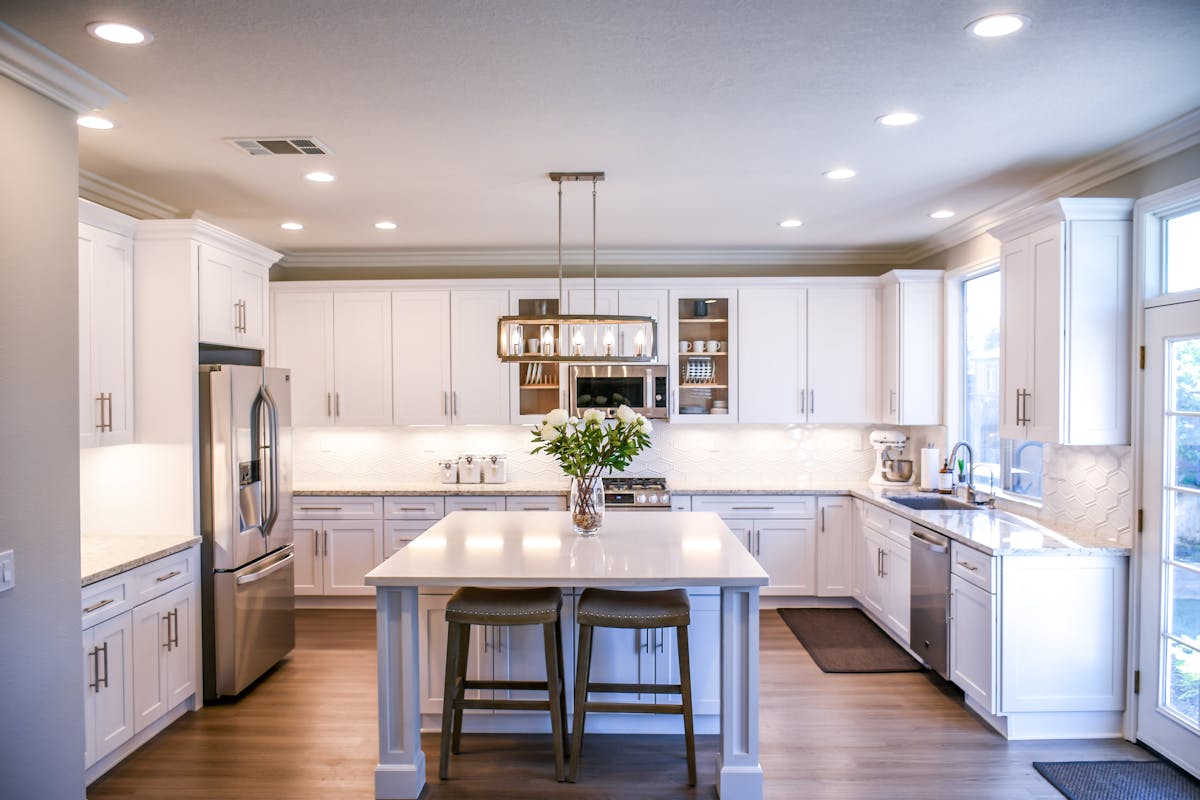
For luxury apartments (₹12,000-18,000 per sq ft), buyers are less price-sensitive but expect premium finishes. Rising material costs force compromises:
- Imported Italian tiles → Domestic premium tiles
- Toughened glass balustrades → MS railing with glass panels
- Premium acrylic paints → Standard emulsion paints
- Wooden flooring → Vitrified tiles
This "quality deflation" is invisible in per-square-foot pricing but represents a real reduction in delivered value.
Commercial Real Estate: Higher Exposure, Different Challenges
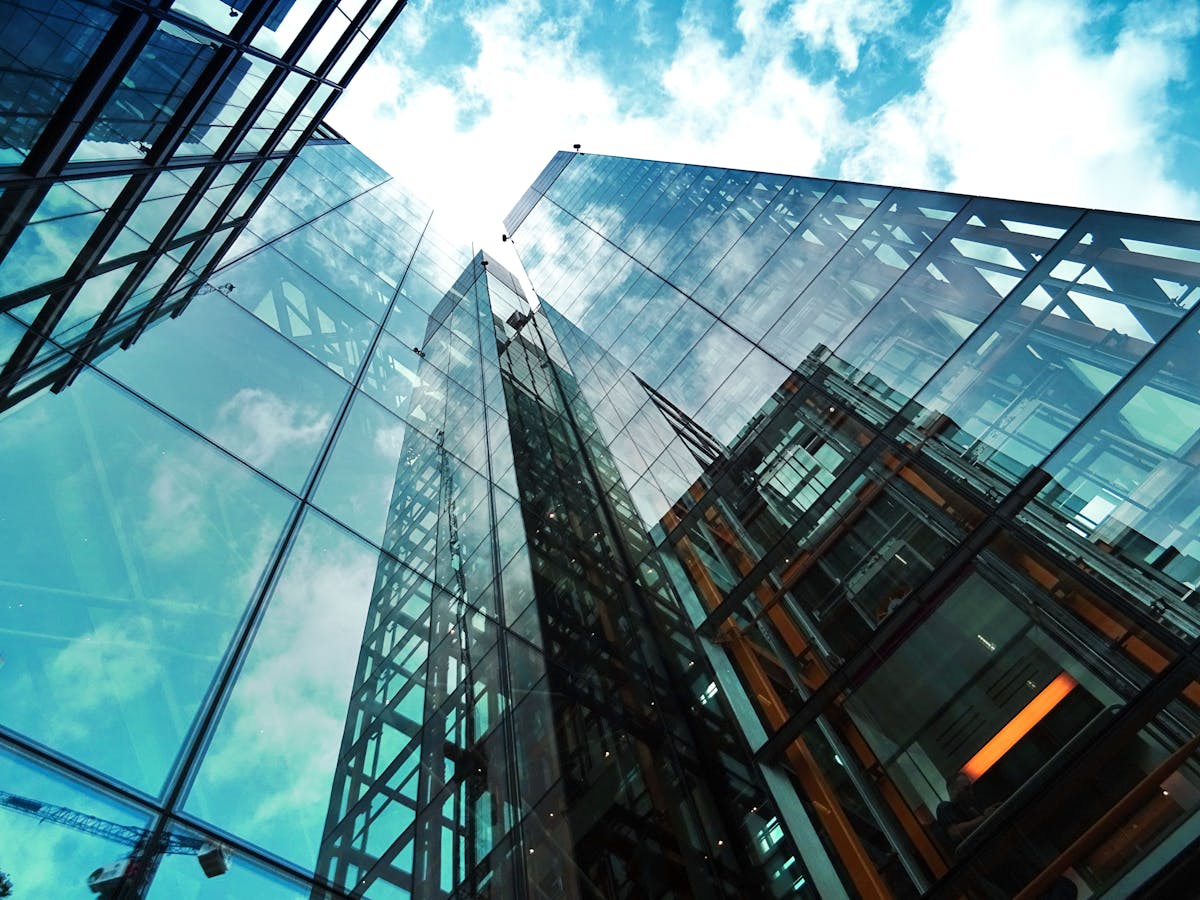
Commercial projects—especially Grade-A office buildings—face even steeper material cost inflation due to their intensive use of high-impact materials:
Material Intensity in Commercial Construction
A typical Grade-A office building (100,000 sq ft) uses:
- Glass: 8,000-10,000 sq meters for facades
- Aluminum: 80-100 tons for curtain walls and cladding
- Electrical Infrastructure: 5-7 km of power cabling, 10-15 km of data cabling
- HVAC Systems: Extensive use of insulation, refrigerant piping (copper)
- Elevators: 4-8 high-speed elevators with sophisticated electronics
These components are heavily exposed to petrochemical and energy cost inflation, making commercial construction 30-40% more sensitive to oil price shocks than residential.
Impact on Office Leasing Markets
Rising Construction Costs → Higher Rents
Developers facing 20-25% higher costs will seek 15-18% higher rents to maintain IRR (Internal Rate of Return). This translates to:
- Current: Grade-A office at ₹75/sq ft/month
- Post-Adjustment: ₹88-90/sq ft/month
For a 10,000 sq ft office:
Commercial Real Estate: Rent Impact
Current Grade-A Office
₹75/sq ft
10,000 sq ft = ₹7.5 lakh/month = ₹90 lakh/year
Post-Cost Adjustment
₹88-90/sq ft
10,000 sq ft = ₹8.8-9 lakh/month = ₹1.05-1.08 crore/year (+₹15-18 lakh annually)
- Current: ₹7.5 lakh monthly = ₹90 lakh annually
- Post-Increase: ₹8.8-9 lakh monthly = ₹1.05-1.08 crore annually
This ₹15-18 lakh annual increase forces companies to:
- Accept higher costs (if financially strong)
- Negotiate longer leases for rate protection
- Optimize space utilization (more employees per sq ft)
- Consider secondary locations with lower rents
Slower New Supply
Higher construction costs, combined with uncertainty about tenant willingness to pay higher rents, will slow new Grade-A office development. This creates a supply-demand mismatch:
- Demand: Hyderabad's IT sector continues growing, needing 4-5 million sq ft annually
- Supply: New completions may drop to 3-3.5 million sq ft annually
This imbalance supports rent increases but potentially constrains Hyderabad's ability to attract new large-scale corporate expansions.
Retail and Hospitality: Double Squeeze
Retail malls and hotels face the same construction cost inflation but have less pricing power:
Retail: Tenant revenue (per sq ft sales) isn't growing proportionally, limiting rent increase ability
Hospitality: Hotel room rates are competitive and price-sensitive, constraining operators' ability to pass through higher development costs
Result: Slower new supply in retail and hospitality, with developers pivoting to residential and office projects with better return visibility.
The Baseline Shift: Why Prices Won't Revert
Historically, construction material prices show ratchet behavior—they rise sharply during disruptions but rarely return to pre-shock levels. This happened after:
- 2008 Financial Crisis: Cement, steel prices jumped 40-50%, then stabilized 20-25% above pre-crisis levels
- COVID-19 Pandemic: Steel, cement increased 35-45%, then settled 15-20% higher
- Ukraine War (2022): Steel jumped 30%, stabilized 10-15% above pre-war prices
Why don't prices revert?
- Producer Expectations: Manufacturers build in risk premiums for future volatility
- Wage Inflation: Labor costs increase during inflationary periods and don't decline
- Quality Adjustments: Producers improve quality/margins during high-price periods, then maintain price levels
- Cartel Behavior: In concentrated industries (cement, steel), producers avoid price wars that would erode margins
This means the 18-25% construction cost increase we're anticipating becomes the new normal, not a temporary spike.
Why Prices Won't Revert: Historical Pattern
2008 Financial Crisis
40-50% spike
Cement & steel jumped 40-50%, then stabilized 20-25% above pre-crisis levels
COVID-19 Pandemic (2020)
35-45% spike
Steel & cement increased 35-45%, settled 15-20% higher permanently
Ukraine War (2022)
30% spike
Steel jumped 30%, stabilized 10-15% above pre-war prices
Iran War (2026-27)
18-25% baseline
Expected permanent baseline shift, not temporary spike
Strategic Implications for Stakeholders
For Developers
1. Lock in Material Prices Early
- Pre-purchase critical materials (PVC, steel, cement) at current prices
- Negotiate fixed-price contracts with suppliers for 12-18 month delivery
- Accept higher working capital requirements for inventory
2. Redesign for Cost Optimization
- Value engineering without compromising structural integrity
- Modular construction techniques reducing waste
- Prefabrication where feasible (bathrooms, facades)
3. Stagger Launches
- Don't flood market with inventory if buyer affordability declines
- Phased development allowing price adjustments between towers
4. Focus on Land Bank
- Future projects will have higher barriers to entry due to costs
- Controlling land supply becomes critical competitive advantage
For Homebuyers
1. Act Now or Wait 2-3 Years
- If financing is in place and project is credible, buying now locks in pre-inflation pricing
- If waiting, expect 12-18% price increases in 2027-2028
- Middle ground (buying in late 2026-early 2027) likely captures partial inflation
2. Focus on Under-Construction Projects
- Developers with advanced construction (slab level and above) have already procured major materials
- These projects less exposed to future cost escalations
- Ready-to-move properties priced at current market rates, offering immediate possession
3. Negotiate on Finishing Quality
- If paying premium prices, insist on locked-in specifications
- Include material brand specifications in agreement
- Avoid clauses allowing developer substitutions without consent
For Investors
1. Residential: Be Selective
- Avoid mid-income projects vulnerable to demand destruction
- Focus on premium/luxury where buyers less price-sensitive
- Affordable housing (government-supported) may see policy interventions protecting demand
2. Commercial: Favor Existing Inventory
- Grade-A office buildings with tenants locked in long-term leases
- Rental escalations (typically 5% annually) will exceed inflation over lease life
- Avoid investing in under-construction commercial with delivery 3+ years out (execution risk)
3. Land Banking: Strong Long-Term Play
- Construction cost inflation increases barriers to entry for new projects
- Land values benefit from scarcity premium as fewer developers can afford to build
- Focus on RERA-approved layouts with clear titles
For the Telangana Government
Policy Interventions to Consider:
- Affordable Housing Incentives: Subsidize interest rates or provide land at concessional rates to maintain supply
- Material Procurement Support: Bulk procurement of cement, steel for government projects, stabilizing prices
- Fast-Track Approvals: Reducing time-to-market lowers developer carrying costs, partially offsetting material inflation
- Alternative Materials R&D: Support for sustainable, locally-sourced alternatives to petrochemical materials

Long-Term Structural Shifts
Beyond immediate price impacts, sustained construction cost inflation could fundamentally alter Hyderabad's real estate landscape:
1. Market Consolidation
Smaller developers with limited financial strength will struggle to:
- Finance higher working capital requirements
- Absorb cost overruns
- Maintain buyer confidence during volatile pricing
Result: 30-40% of smaller developers (10-50 units annually) may exit market, leaving 60-70% of new supply concentrated among top 20-30 developers.
2. Shift to Build-to-Suit and Pre-Leasing
Commercial developers will increasingly require:
- Anchor tenants signing leases before construction starts
- Build-to-suit projects with corporate commitments
- Longer lease terms (9-15 years vs. traditional 5-9 years) to justify investment
Result: Speculative commercial development declines, slowing supply but increasing quality (only projects with committed demand proceed).
3. Rise of Alternative Construction Technologies
Higher material costs improve the economics of alternative approaches:
- Prefabrication: Factory-built modules reducing on-site waste
- 3D Printing: Concrete printing for walls, reducing labor and formwork costs
- Sustainable Materials: Bamboo, compressed earth blocks, recycled materials becoming cost-competitive
Timeline: Expect 5-10% of new residential construction to adopt these technologies by 2030.
4. Geographic Shifts in Development
Peripheral locations with lower land costs become more attractive:
- Tukkuguda, Shamshabad (South Hyderabad near Airport)
- Kompally, Bachupally (North corridor)
- Uppal, Boduppal (East Hyderabad)
These areas offer 30-40% lower land costs, helping offset higher construction costs while maintaining affordability.
Conclusion: Navigating the New Normal
The confluence of geopolitical oil disruptions and Hyderabad's construction material profile creates a perfect storm for cost inflation over the next 3-5 years. This isn't a temporary blip—it represents a baseline shift in construction economics.
Key Takeaways:
For stakeholders across Hyderabad's real estate ecosystem, understanding these dynamics isn't optional—it's essential for making informed decisions in a market entering a period of significant structural change.
The construction cost inflation wave is coming. The question isn't whether you'll be affected, but whether you'll be prepared.
Keywords